
ABA Therapy Resources
What Does a Day at an Ally Behavior ABA Center Look Like?
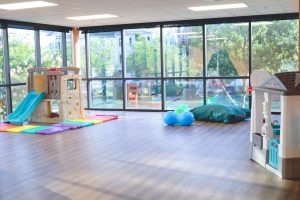
TL;DR: At Ally Behavior Centers, children attend Monday through Friday from 9:00 AM to 5:00 PM. A designated 1:1 therapist greets your child at the car at drop-off. Throughout the day your child rotates between different rooms and activities — one-on-one therapy spaces, Natural Environment Teaching (NET) rooms, classroom-style spaces, playgrounds, and the lunch room…
Read MoreFeeding Challenges in Children with Autism: Signs, Causes, and Support Strategies

Feeding challenges and food selectivity are common in children with autism, but with the right strategies, mealtime can become more successful and less stressful. Mealtimes, and food in general, can be tricky with kids. It can be hard to keep up with your child’s mealtime preferences, as they can change from one week to the…
Read MoreEarly Intervention: Why Ally focuses on children under 6, and the benefit of acting early

What Is Early Intervention? Early intervention is a term used to refer to a system of specialized services and supports for infants, toddlers and young children who have developmental delays. Specifically, these programs are designed to address concerns early in life when the child’s brain is most flexible and receptive to learning. Your family can…
Read MoreData-Driven Progress: How We Measure Growth in ABA

Applied Behavior Analysis (ABA) therapy is an evidence-based approach commonly used to support children with autism and developmental disabilities. At its core, ABA therapy is about understanding behavior, teaching new skills, and tracking progress in ways that are measurable, meaningful, and tailored to your child. How Progress is Measured in ABA Therapy ABA therapy is…
Read MoreThe ABC’s of ABA

Understanding the True Definitions of ABA Therapy Applied Behavior Analysis (ABA therapy) is a scientific approach to behavior and learning used primarily as therapy for individuals with Autism Spectrum Disorder (ASD). ABA pays particular attention to how the environment and external stimuli affect a child. What is ABA? By focusing on the interaction between the…
Read More